

Planning a trip to Thailand is a decision that requires taking several factors into account—weather, prices, and tourist crowds. Knowing when to travel to Thailand helps you make the most of this exotic country while avoiding unnecessary inconveniences.
What are the seasons in Thailand and how do they affect the weather?
Thailand has a tropical climate, which is divided into two main seasons: the dry season and the rainy season.
The dry season usually lasts from November to April and is characterized by low rainfall and high temperatures. This is when many travelers consider when to go to Thailand, as weather conditions are generally the most favorable.
The rainy season runs from May to October. During this period, heavy but usually short-lived downpours occur, along with high humidity. Despite this, rain often lasts only a few hours, and the landscape becomes exceptionally green and picturesque.
How does the weather change month by month?
- January–February: The coolest and driest period, ideal for tourists.
- March–April: Increasingly hot, with temperatures reaching up to 35°C, but rainfall is rare.
- May–October: Rainy season, with heavy rainfall, especially in August and September.
- November–December: Return to drier and cooler weather, with fewer crowds than in January.
If you’re wondering when to travel to Thailand, the best time is generally the dry season from November to February, when temperatures are pleasant and rainfall is minimal. The
If you’d like a more detailed look at the weather, I recommend checking out the separate article that breaks it down month by month and by region, so you can plan your trip with greater confidence.
When should you travel to Thailand to avoid crowds and high prices?
The high tourist season in Thailand coincides with the dry season, especially from December to February. During this time, accommodation and flight prices are at their highest, and popular destinations can be very crowded.
If you’re looking for lower prices and a calmer atmosphere, consider traveling at the end of the rainy season (October) or at the beginning of it (May). In these months, prices are often lower and crowds smaller, despite the risk of rain.
Examples of prices and crowds throughout the year
- December–January: Hotel prices can be 30–50% higher, and popular beaches are crowded.
- May–June: Prices drop and tourist numbers decrease, though the weather can be less stable.
- July–September: The cheapest period, but heavy rainfall may interfere with sightseeing.
Overall, the best time to visit Thailand is between November and March, when temperatures are comfortable and rainfall is minimal—making it ideal for exploring the country.

What are the pros and cons of traveling during the rainy season?
Although many travelers avoid the rainy season, it has several advantages. Landscapes are lush and vibrant, waterfalls are full, and prices are significantly lower. Accommodation and attractions are also more readily available.
On the downside, heavy rain can make sightseeing and beach time difficult, and some regions may be less accessible due to flooding. It’s important to monitor weather forecasts and choose destinations where rainfall is less disruptive—for example, northern parts of the country.
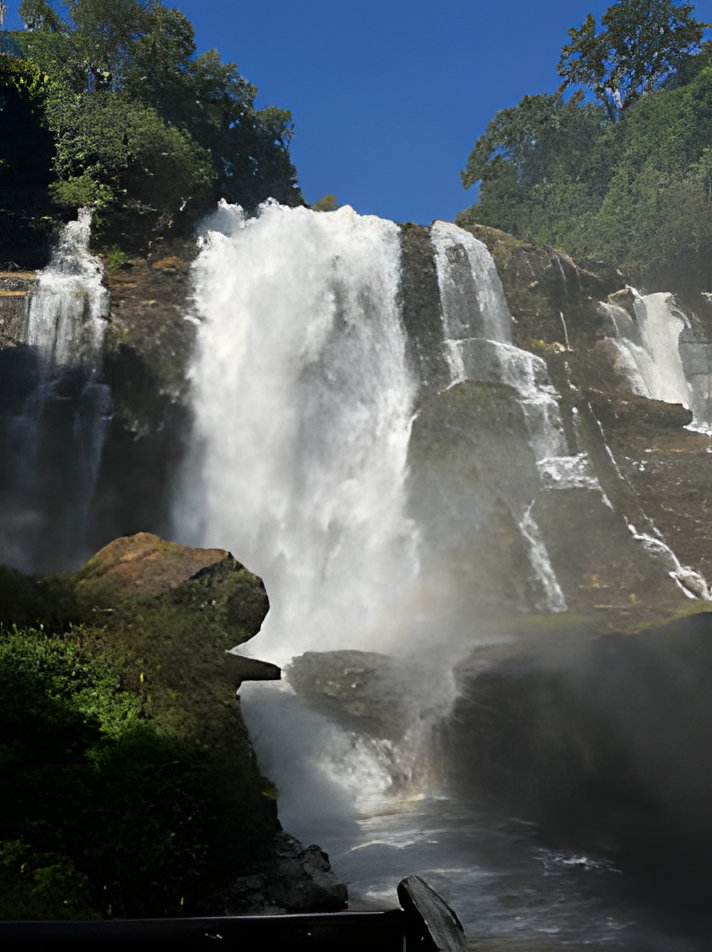
Green, mountainous landscapes of Thailand during the rainy season—intense rainfall makes nature lush and waterfalls full.
Which regions of Thailand are best to visit at different times of the year?
Weather conditions vary by region, so it’s best to choose destinations according to the season:
- Bangkok and surrounding areas: Best visited during the dry season, from November to March.
- Northern Thailand (Chiang Mai, Chiang Rai): Recommended from November to mid-February, when it’s cooler, dry, and free from the smoky season.
- Southern islands (Phuket, Koh Samui): Dry seasons differ slightly—on the west coast (Phuket), the best time is November to April, while on the east coast (Koh Samui), January to August is preferable.
The most popular time to visit Thailand is during the cooler season, when temperatures are moderate and humidity is lower.
Beware of the “smoky season” in Northern Thailand (February–April)
When planning a trip between February and April, it’s best to avoid Northern Thailand, especially areas like Chiang Mai and Chiang Rai. During this period, the so-called smoky season occurs, caused by agricultural burning and forest fires. Air quality can be very poor, leading to breathing problems, headaches, and reduced visibility. During these months, southern islands or coastal regions are a much better choice, as air quality there is usually significantly better.

Summary of the best months to visit Thailand
| Period | Months | Weather | Prices | Crowds | Best destinations |
|---|---|---|---|---|---|
| Cool & dry season | November – February | Dry, warm, pleasant temperatures | High | High | Entire Thailand; avoid the north from mid-February |
| Hot season | March – April | Very hot (up to 35–40°C), dry | Medium | Medium | Islands and the south; avoid cities midday; avoid the north due to smoky season |
| Rainy (monsoon) season | May – mid-October | Heavy rain, high humidity, lush landscapes | Low | Low | Northern Thailand, Bangkok; selected islands |
| Transition to dry season | Mid-October – November | Less rain, fresh after monsoon | Medium | Medium | Good balance across most regions |
Conclusion
When deciding when to travel to Thailand, three key factors should be considered: weather, prices, and tourist crowds. The best time to visit is the dry season, especially from November to February, when conditions are optimal. However, for travelers seeking lower prices and fewer crowds, the beginning or end of the rainy season can be a good alternative. It’s also important to account for regional climate differences. By doing so, a trip to Thailand can be both enjoyable and cost-effective.
References
- Meteo Thailand. (2023). Climate and Weather in Thailand.
- Tourism Authority of Thailand. (2023). Travel Seasons and Tips.
- Smith, J. (2022). Thailand: Weather Patterns and Travel Advice. Lonely Planet Publications.
- National Geographic. (2021). The Best Time to Visit Thailand.

